The Essay · Cities
The Last Analog City
Every morning the No. 28 tram leaves Martim Moniz already full, and every morning it fills again at the next stop, because the people who ride it are not commuters so much as witnesses. They have watched the city be sold, floor by floor, to funds with names like weather systems.
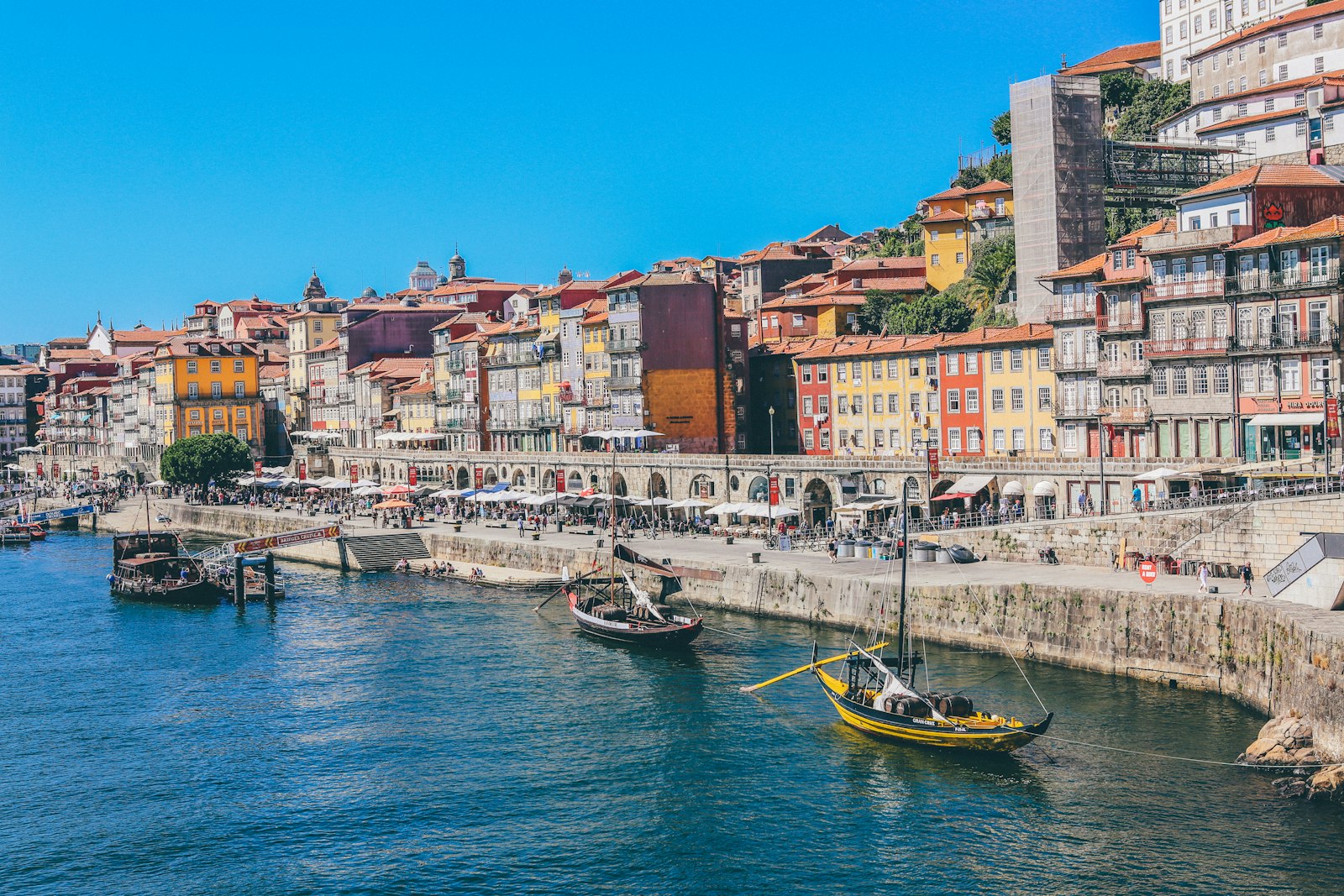
What survives is stubbornly physical: the tiled facades, the paper timetables, the man who has repaired the same three streets of shoes since 1981 and will not take a card. Analog is not nostalgia here. It is a form of resistance with a business licence.